
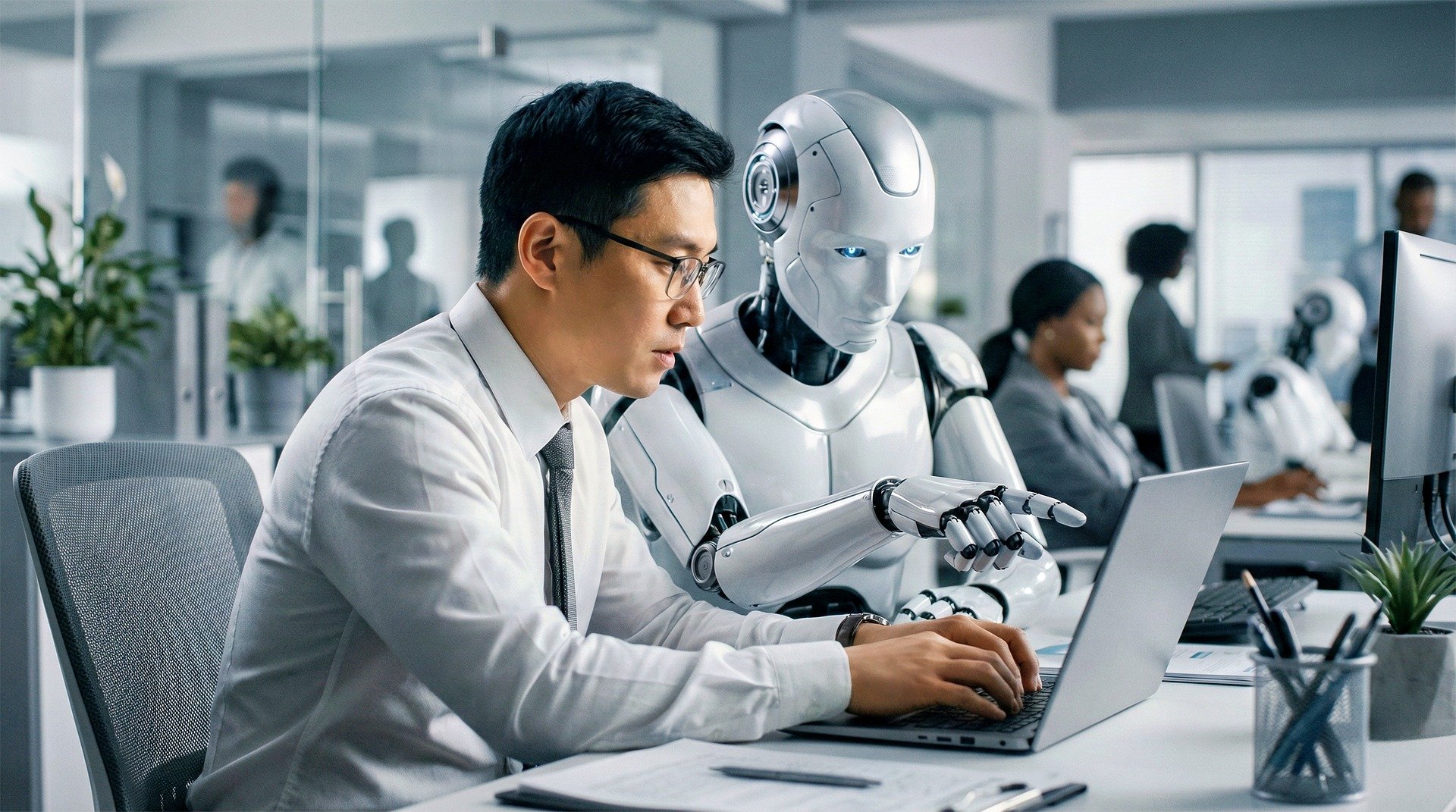
Artificial Intelligence (AI) is no longer a distant concept—it’s already a part of our everyday lives. From the way we shop online to how we communicate, AI is quietly shaping our habits, decisions, and interactions. Looking ahead, the future promises an even deeper integration of AI, transforming routine tasks, personal convenience, and professional productivity in ways that many of us are only beginning to imagine.
By 2026 and beyond, AI is expected to move from being a tool we use consciously to an invisible assistant embedded in almost every aspect of daily life. It will not just react to our commands but anticipate our needs, learn from our habits, and provide personalized solutions in real time. This shift will make daily life more efficient, enjoyable, and interconnected, but it also raises questions about privacy, ethics, and dependence on technology.
1. AI in Personal Assistance
One of the most visible ways AI is shaping daily life is through personal assistants. Tools like virtual assistants on smartphones, smart speakers, and home devices are already helping us schedule tasks, set reminders, answer questions, and control smart devices.
In the near future:
- AI assistants will anticipate needs based on routines. For example, suggesting a workout when your activity level drops or ordering groceries when your fridge runs low.
- They will handle complex multi-step tasks like planning a vacation, booking tickets, arranging transportation, and creating an itinerary, all automatically.
- AI could also provide emotional support, detecting stress or mood changes and offering suggestions to improve wellbeing.
These intelligent systems will become more conversational, more human-like, and seamlessly integrated into our homes, cars, and personal devices.
2. AI in Healthcare
Healthcare is one of the most transformative areas for AI in daily life. Beyond hospital settings, AI will increasingly play a role in personal health management:
- Wearable AI devices will continuously monitor heart rate, blood sugar, sleep patterns, and other vital signs, alerting users to anomalies before they become serious health issues.
- AI-driven apps could provide personalized diet plans, exercise routines, and mental health support based on individual data and goals.
- Telemedicine will be enhanced with AI triage systems, diagnosing minor ailments automatically and recommending whether a patient needs to visit a doctor or can follow home care instructions.
By 2030, AI may even predict health risks years in advance, allowing preventive measures that could significantly improve quality of life and longevity.
3. AI in Transportation
AI is set to revolutionize how we move around. Self-driving cars, drones, and AI-powered public transport systems are becoming more sophisticated:
- Autonomous vehicles will reduce human error, making roads safer and reducing accidents.
- Traffic optimization systems will use AI to analyze real-time data, adjusting traffic signals and routes to reduce congestion.
- Delivery drones and autonomous robots will revolutionize logistics, bringing packages to your doorstep faster and more efficiently.
Daily commutes could become more productive as AI-driven vehicles allow us to work, relax, or study while traveling.
4. AI in Home Automation
Smart homes are already using AI for energy management, security, and convenience, but the future will go even further:
- AI will learn habits and automatically adjust lighting, heating, and cooling to maximize comfort and reduce energy waste.
- Home security systems will use AI-powered cameras and sensors to detect intruders, unusual behavior, or emergencies, notifying owners instantly.
- Cooking and cleaning could also be automated through AI-driven kitchen appliances and robotic helpers.
AI will make homes not just “smart,” but intelligent, predicting needs and making daily routines almost effortless.
5. AI in Education
AI will reshape how we learn and teach:
- Personalized AI tutors will tailor lessons to each student’s pace, style, and interests.
- AI can automate administrative tasks for teachers, such as grading assignments and tracking student progress.
- Virtual classrooms powered by AI will adapt in real time, providing extra help where students struggle and suggesting advanced material for those ahead.
Students will benefit from more interactive and immersive learning, making education both accessible and effective for everyone.
6. AI in Work and Productivity
AI is transforming the workplace, not just in manufacturing, but across offices, research, and creative fields:
- AI can automate repetitive tasks, like data entry, scheduling, and reporting, freeing humans for more creative and strategic work.
- Predictive AI tools can analyze business trends, helping companies make better decisions faster.
- Collaboration tools enhanced with AI can suggest improvements, summarize meetings, or even draft presentations automatically.
The future office will be more efficient and flexible, where AI acts as an invisible partner, streamlining workflows and boosting productivity.
7. AI in Entertainment and Media
Entertainment will become highly personalized thanks to AI:
- Streaming services will recommend shows, movies, and music based on nuanced AI analysis of user preferences.
- AI-generated content, from music to video games, will allow creators to produce unique experiences faster.
- Virtual reality and augmented reality experiences will be enhanced with AI, creating worlds that adapt dynamically to player choices and preferences.
AI will not just provide content—it will co-create it, making entertainment a collaborative experience between humans and machines.
8. AI in Shopping and E-commerce
AI is revolutionizing the way we shop online:
- Personalized recommendations based on browsing habits and purchase history will become more accurate and predictive.
- Virtual try-on features powered by AI will allow consumers to see how clothes, accessories, or furniture look before buying.
- Chatbots and AI assistants will handle customer queries, process returns, and guide buyers through products seamlessly.
In the future, shopping could feel like having a personal concierge for every online purchase.
9. AI in Finance
AI is making personal finance smarter and safer:
- Intelligent AI apps can monitor spending, track budgets, and suggest saving opportunities.
- Fraud detection systems powered by AI can identify suspicious transactions instantly, reducing financial risk.
- AI advisors can guide investments, predict market trends, and manage portfolios efficiently.
Every individual will have access to AI-powered tools to manage money smarter, making financial decisions faster and more informed.
10. Ethical and Social Considerations
While AI offers convenience and efficiency, it also raises important concerns:
- Privacy: AI systems collect vast amounts of personal data to operate effectively. Ensuring this data is safe is critical.
- Job displacement: Automation may replace some jobs, making reskilling necessary.
- Bias: AI algorithms may inherit biases from data, affecting fairness in services.
- Dependence: Over-reliance on AI could reduce critical thinking and human decision-making skills.
Society must balance AI integration with ethics, regulation, and transparency to ensure AI enhances daily life responsibly.
Conclusion
The future of AI in daily life is exciting and transformative. From personal assistants and smart homes to healthcare, education, and finance, AI will seamlessly integrate into our routines, making daily tasks faster, smarter, and more personalized.
However, the real power of AI lies not just in automation, but in augmentation—enhancing human decision-making, creativity, and productivity. Those who embrace AI responsibly will enjoy a future where technology makes life easier, safer, and more fulfilling.
As AI evolves, we can expect a world where mundane tasks are handled automatically, and humans can focus on creativity, connection, and experiences that truly matter.
FAQs
1. How will AI impact daily life in the next decade?
AI will automate tasks, personalize experiences, enhance productivity, and integrate into homes, workplaces, and personal devices.
2. Can AI take over jobs completely?
AI may automate repetitive tasks, but human creativity, judgment, and emotional intelligence will remain essential.
3. What are examples of AI in daily life today?
Voice assistants, chatbots, recommendation systems, smart home devices, and wearable health monitors are common examples.
4. Is AI safe for everyday use?
Yes, if used responsibly. Privacy, security, and ethical considerations must be addressed to ensure safe adoption.
5. How can individuals prepare for an AI-driven future?
Learning AI tools, understanding data privacy, reskilling for emerging jobs, and embracing technology responsibly are key steps.



Leave a Reply